
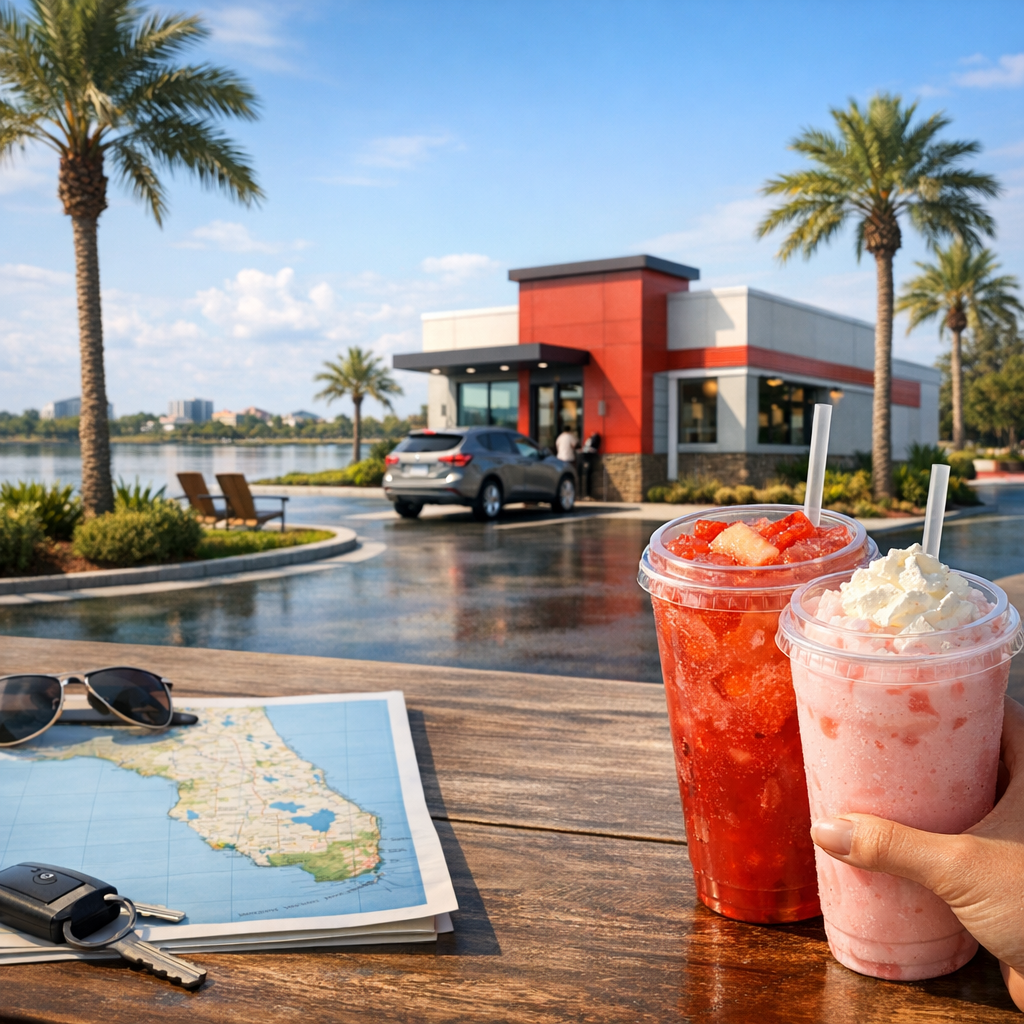
Headline: Florida to get up to 25 new Swig® drive‑thru beverage franchises, creating prime multi-unit opportunities for qualified area developers and single‑unit operators. Here’s what it means for local entrepreneurs—and how to evaluate and pursue one of the most talked‑about beverage concepts in the Southeast.
Key takeaways (answer first)
- What’s happening: Swig® is slated for an expansion of approximately 25 Florida locations over the next several years (subject to site approvals and franchise awards).
- Who benefits: Multi‑unit operators and first‑time franchisees seeking a high-frequency, drive‑thru beverage concept with strong suburban appeal.
- What to do now: Review the brand’s FDD, prepare territory and capital plans, and engage a franchise consultant to qualify and move early on prime trade areas.
Why this matters for Florida entrepreneurs
Bottom line: Florida’s climate, population growth, and drive‑thru culture position beverage and treat concepts for outsized traffic and repeat visits.
- Warm weather and year‑round tourism support consistent beverage demand and impulse stops.
- Suburban corridors near schools, sports complexes, and shopping centers are well‑matched to quick‑serve drink formats.
- New‑to‑market concepts can build early local loyalty with flavor variety, limited‑time promos, and community partnerships.
What is Swig® (at a glance)
Short answer: A specialty drink and treat concept best known for customizable sodas, energy drinks, and sweets, designed for drive‑thru convenience and frequent repeat visits.
- Menu focus encourages add‑on sales (cookies, specialty ice, seasonal items).
- Operational simplicity compared to full kitchen QSR can streamline labor and throughput.
- Brand differentiation in a crowded beverage landscape via signature flavor mixes and “dirty soda”-style customization.
How to buy a franchise (Florida focus)
Fast path: Follow a structured diligence process, not a sales pitch.
- Define your ownership thesis (single vs. multi‑unit, owner‑operator vs. semi‑absentee, target returns, and time horizon).
- Request and review the FDD (focus on Item 7 total investment, Item 19 performance representations if provided, fees, territory protections).
- Validate with franchisees (ask about buildout timing, throughput, staffing, local marketing, and break‑even ranges).
- Secure territory with a map-based plan (trade areas, drive‑time radii, co‑tenancy, and cannibalization guardrails).
- Model unit economics using conservative assumptions (traffic, average ticket, daypart mix); pressure‑test with sensitivity analysis.
- Line up capital (cash, SBA 7(a) or 504, equipment financing); align draw schedules with construction timelines.
- Prepare operations (GM pipeline, training calendar, shift labor model, delivery partners if applicable).
- Engage expert help early—work with Professional Franchise Brokers to accelerate screening, territory strategy, and introductions.
Is this a low-cost franchise opportunity?
Short answer: Beverage drive‑thru concepts often require meaningful site work and equipment; “low-cost” depends on real estate and buildout scope. Always use the brand’s FDD (Item 7) for official ranges.
- Levers that can reduce total project cost: second‑generation sites, landlord TI, modular builds, and phased multi‑unit rollouts.
- Explore additional low-cost franchise opportunities if your target budget is limited.
Best franchises for 2026: where Swig® fits
Takeaway: Beverage‑forward, speed‑of‑service concepts remain standouts in our best franchises for 2026 analysis due to frequency and scalable operations when sited correctly.
- Strengths: high repeat purchase, limited back‑of‑house complexity, community marketing resonance.
- Watchouts: site competition for drive‑thru pads, municipal permitting, and staffing for peak hours.
Site selection and performance metrics (answer first)
What to prioritize: High‑visibility drive‑thru pads with strong PM traffic, school/work commuter flows, and convenient right-in/right-out access.
- Throughput targets: cars per hour at peak; seconds per ticket; queue capacity without spillover.
- Trade area: 5–10 minute drive‑time, daytime population, youth/young‑family density, events/sports proximity.
- Co‑tenancy: grocery, big box, fitness, schools, quick‑service clusters that normalize frequent visits.
- Parking and stack: safe, intuitive traffic flow; bypass lane if feasible.
Timeline and next steps
Act early: Desirable Florida territories can move fast once announcements hit.
- Submit interest to the brand and request FDD/territory map.
- Pre‑qualify capital; identify lenders with QSR drive‑thru familiarity.
- Start site canvassing with a retail broker while you advance franchise approval.
- Book a strategy call with Professional Franchise Brokers for territory planning, validation questions, and unit economics modeling.
Frequently asked questions
When will the first Swig® locations open in Florida?
Timelines vary by permitting, construction, and franchise awards. Expect staggered openings over multiple years. Confirm projected dates directly with the franchisor or your consultant.
How much does it cost to open a beverage drive‑thru franchise?
Total investment depends on site conditions (ground‑up vs. conversion), equipment, and TI. Rely on the brand’s FDD Item 7 and discuss ranges with current franchisees and lenders.
Can I reserve a specific Florida territory?
Territory availability is governed by the franchisor’s mapping and development schedules. Early engagement and a credible multi‑unit plan can improve your chances for prime trade areas.
Do I need prior restaurant experience?
Not always, but multi‑unit operators or candidates with retail/QSR leadership, hiring, and P&L discipline are typically preferred. Strong GM recruitment is critical.
What are the key success factors in beverage drive‑thru?
Site access and visibility, speed‑of‑service, staff scheduling for peaks, local store marketing, and consistent product execution.
Call to action
Ready to pursue Florida territories—or compare against other options? Schedule a no‑pressure consultation with Professional Franchise Brokers to align funding, territory strategy, and a proven due‑diligence workflow.
Disclaimer: This article is for informational purposes only and does not constitute financial, legal, or investment advice. Always review the current Franchise Disclosure Document (FDD) and consult qualified advisors before investing. Swig® is a registered trademark of its respective owner; no endorsement is implied.