
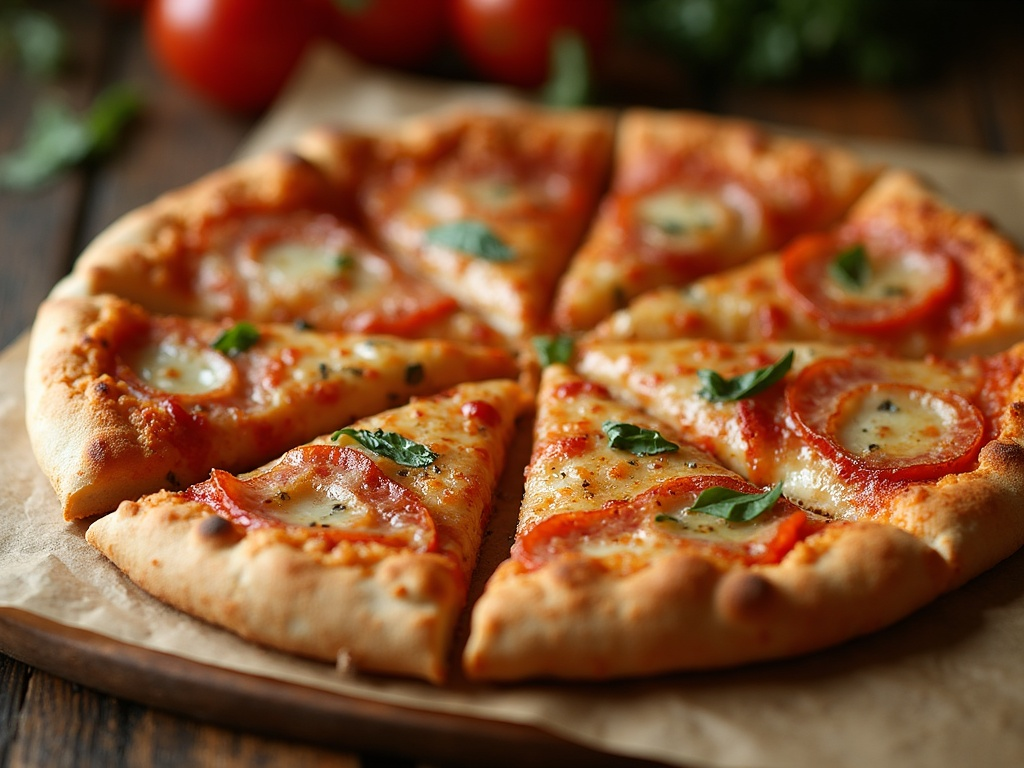
Short answer: Mellow Mushroom’s tech-forward playbook—centered on first‑party ordering, loyalty, kitchen digitization, and data‑driven site selection—positions the brand for accelerated 2026 franchise growth. Prospective owners should validate digital sales mix, unit economics, and the scalability of the tech stack during due diligence, then engage a trusted advisor like Professional Franchise Brokers to navigate territory selection and financing.
Why Mellow Mushroom’s Tech Strategy Matters for 2026
Bottom line: A thoughtfully integrated digital stack can expand margins, raise throughput, and improve CAC/LTV—key drivers for multi‑unit scale in 2026.
- First‑party ordering + loyalty: Higher repeat rate and check average than third‑party channels; tighter control of guest data.
- Kitchen display systems and production routing: Faster ticket times and lower errors during peak periods.
- Inventory, scheduling, and demand forecasting: Reduced waste and smarter labor deployment.
- Multi-channel marketing via a CDP: Segmented offers, SMS/push, and geofenced campaigns that cut acquisition cost.
- Data-informed site selection: Mobility data, daytime population, and delivery radius modeling to lower ramp risk.
Industry research consistently shows restaurants that digitize ordering, operations, and marketing realize better productivity and guest satisfaction. Pair that with Mellow Mushroom’s experiential pizza + bar format and you have a compelling foundation for 2026 expansion.
Is Mellow Mushroom One of the Best Franchises for 2026?
Answer first: For operators targeting an experiential, craft‑driven pizza concept with modern digital capabilities, Mellow Mushroom can compete among the best franchises for 2026—market and operator fit dependent.
- Strengths: Distinctive brand ethos, premium menu, bar program, and a guest journey adaptable to digital ordering and loyalty.
- Considerations: Typically not a low-cost franchise opportunity; full‑service elements demand experienced management and robust site selection.
- Ideal candidates: Multi‑unit restaurateurs or capitalized first‑timers partnering with an operations‑minded GM and a digital marketing lead.
Compare candidates across our curated list: Best Franchises for 2026.
How to Buy a Franchise: A 7‑Step, Answer‑First Checklist
Quick path: Validate unit economics, confirm territory viability, and secure financing early.
- Clarify goals and budget: Lifestyle vs. scale, owner‑operator vs. semi‑absentee. Start with our guide: how to buy a franchise.
- Request the FDD and KPI snapshots: AUV, digital % of sales, 4‑wall EBITDA, labor and COGS trends.
- Market mapping: Use mobility data and delivery‑time heatmaps to test trade‑area strength.
- Unit‑level diligence: Speak with current franchisees about tech adoption, training, and marketing support.
- Financial plan: Pre‑qual for SBA 7(a)/504, equipment leasing, or ROBS. See our Franchise Financing Guide.
- Ops plan: Staffing model, bar management, delivery integration, and community marketing calendar.
- Legal review and timeline: Franchise counsel review, LOI, lease, build‑out, and pre‑opening marketing.
Tech Stack: What to Verify Before You Sign
Short list: Ask for real metrics and total cost of ownership.
- Ordering + Aggregation: First‑party web/app, aggregator integration, service fees, and ownership of guest data.
- Loyalty + CRM/CDP: Enrollment rate, loyalty penetration of sales, offer economics, and churn controls.
- Operations: KDS, inventory, labor forecasting; what KPIs are visible in real time?
- Marketing: SMS/push deliverability, attribution model, and local store marketing playbooks.
- Analytics: Standard dashboards, cohort analysis, and unit benchmarks.
- Security + Support: PCI compliance, SSO/access control, uptime SLAs, and training cadence.
- TCO: Monthly SaaS, payment processing, hardware lifecycle, and any mandated vendor fees.
Unit Economics and KPIs to Press During Discovery Day
Fast filter: Prefer systems where digital drives frequency without crushing margins.
- Average unit volume (AUV) and 4‑wall EBITDA
- Digital sales mix (first‑party vs. third‑party) and loyalty penetration
- Throughput: Make‑line capacity, peak ticket times, and order accuracy
- COGS variance and shrink reduction tied to inventory controls
- Labor % before/after scheduling and demand‑forecasting tools
- Marketing efficiency: CAC, LTV, and promo ROI
- Delivery economics: Commission rates, menu pricing parity, and off‑premise packaging
- Lease occupancy cost, ramp time, and capital payback on tech
Use our Franchise Due Diligence Checklist to streamline your questions.
Site Selection for 2026: Data‑Informed Wins
Key move: Blend mobility data with brand psychographics and delivery‑time rings.
- Daytime population + evening/weekend traffic for dine‑in/bar mix
- Parking, patios, and visibility near destination retail
- Delivery promise times within core neighborhoods and campuses
- Co‑tenancy with complementary anchors (entertainment, gyms, specialty grocers)
Low‑Cost Franchise Opportunities vs. Full‑Service Pizza
Reality check: Full‑service experiential pizza concepts usually require higher capex than low-cost franchise opportunities like kiosks or service‑lite QSR.
- Lower‑cost options: Mobile food concepts, service brands, or compact QSR (see our picks).
- Why full‑service anyway: Bigger average checks, events/catering, bar margins, and brand moat.
Risks and How to Mitigate Them
Actionable guardrails: Plan for variability in labor, delivery fees, and build‑out timelines.
- Labor volatility: Cross‑train and deploy scheduling/forecasting early.
- Delivery dependence: Push first‑party ordering and loyalty to own the guest.
- Capex creep: Lock equipment pricing and maintain a contingency reserve.
- Ramp risk: Phased pre‑opening marketing and founder’s list acquisition.
Frequently Asked Questions
Quick answers to common investor questions about Mellow Mushroom and 2026 franchising.
- Is this a good fit for first‑time owners? Yes, with strong GM/bar leadership and franchisor training; many succeed via semi‑absentee models plus tight KPI dashboards.
- What about financing? SBA 7(a)/504, equipment leases, and ROBS are common. Start with pre‑qualification to anchor your territory strategy. See our financing guide.
- What timeline should I expect? 6–12 months from agreement to opening is typical for full‑service build‑outs, depending on permitting and supply chain.
- Where are the best territories for 2026? Trade areas with growing rooftops, strong evening/weekend patterns, and delivery‑friendly street grids rank highest.
Next Step: Speak With a Franchise Consultant
Recommendation: Before you commit, engage a specialist to benchmark markets, validate KPIs, and structure financing. Schedule a no‑pressure call with Professional Franchise Brokers to compare Mellow Mushroom with alternative concepts, including best franchises for 2026 and vetted low-cost franchise opportunities.
Editor’s note on trust: This analysis synthesizes current restaurant technology and franchising best practices to help buyers run evidence‑based diligence. For a personalized model using your capital, credit profile, and local market data, book a consultation.