
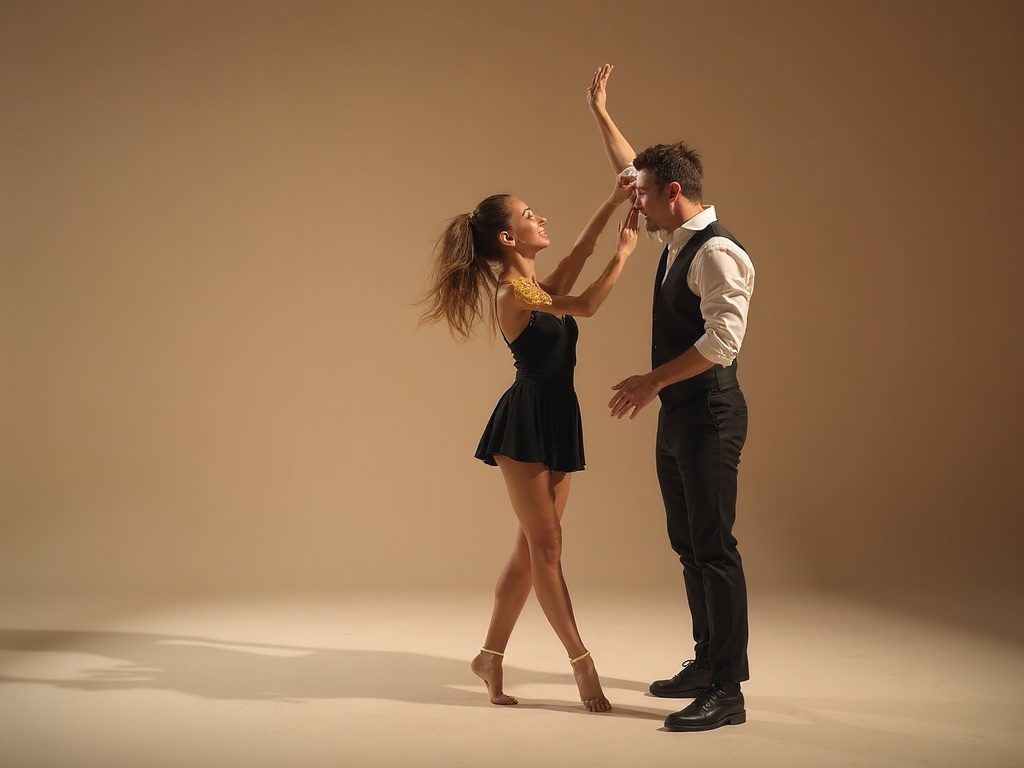
Arthur Murray Dance Studios has signed 32 new franchise agreements with existing franchisees, signaling confident multi‑unit expansion and strong unit‑level performance. For prospective owners evaluating how to buy a franchise or comparing low-cost franchise opportunities and the best franchises for 2026, this development is a meaningful indicator of brand health and franchisee satisfaction.
Key takeaways (answer-first)
- Existing franchisees committing to 32 additional territories suggests strong unit economics and trust in the brand’s support model.
- Multi-unit growth can improve margins through shared staffing, centralized marketing, and operational efficiencies.
- For buyers, this is a signal to prioritize brands where current owners reinvest—one of the clearest markers of franchise quality.
What this means for franchise investors
Bottom line: When experienced operators expand, it validates the playbook. For those researching dance, fitness, and experiential retail concepts, Arthur Murray’s expansion indicates durable local demand and replicable operations across markets.
- Demand signal: Repeat purchases by owners often correlate with healthy cash-on-cash returns.
- Training and support: Expanded commitments typically reflect confidence in onboarding, curriculum, and marketing systems.
- Territory availability: Expect heightened competition for prime markets; act early with a documented process. See how to buy a franchise.
Why existing franchisees are doubling down
- Proven curriculum and brand recognition in ballroom, Latin, swing, and social dance instruction.
- Sticky revenue from private lessons, group classes, showcases, and events.
- Local marketing flywheel: word-of-mouth, referral programs, wedding prep, and community partnerships.
- Multi-unit synergies: shared instructors, playbooks, and cross-studio calendars.
- Operational tech: scheduling, CRM, and membership management streamline growth.
About Arthur Murray Dance Studios
Arthur Murray is one of the world’s longest-standing dance studio franchises, with roots dating back to the early 20th century. The brand is known for structured lesson plans, instructor development, and a welcoming studio culture that attracts adult learners, couples, and wedding parties. While performance varies by market, the network effect of community events and showcases often strengthens customer retention.
How to buy a franchise (7-step playbook)
Answer-first: Start with your goals, validate unit economics, then negotiate rights and protections.
- Clarify objectives: income targets, time commitment, and exit horizon.
- Shortlist 3–5 brands: compare models (instructional studios vs. fitness or experiential retail). See best franchises for 2026.
- Request the FDD: analyze Item 7 (startup costs), Item 19 (earnings claims), and territory protections.
- Validate with 6–10 owners: ask about ramp time, staffing, lead gen, churn, and break-even.
- Model scenarios: base/optimistic/conservative P&L with sensitivity to occupancy, instructor wages, and lead costs.
- Secure funding: compare SBA 7(a), ROBS, and equipment financing. Explore low-cost franchise opportunities if capital is limited.
- Legal and negotiation: retain a franchise attorney; clarify renewals, transfer rights, ad fund governance, and personal guaranty caps.
Low-cost franchise opportunities: what to watch
- Service-heavy, light buildout: mobile or studio-light concepts can reduce capex and speed breakeven.
- Lean headcount: models with predictable scheduling and part-time staff lower risk.
- Local marketing leverage: referral-heavy offerings keep CAC in check.
- Unit economics: focus on contribution margin and payback period over top-line hype. Learn more: low-cost franchise opportunities.
Best franchises for 2026: selection criteria
Answer-first: Pick brands with evidence of multi-unit reinvestment, transparent financials, and defensible local demand.
- Owner reinvestment rate and new agreements with existing franchisees.
- Clear training, instructor pipeline, and marketing systems.
- Earnings transparency (robust Item 19) and realistic ramp timelines.
- Territory philosophy that protects unit economics over fast sell-through. Explore our methodology: best franchises for 2026.
Due diligence checklist (fast but thorough)
- Interview top, median, and bottom performers; understand what drives each outcome.
- Request cohort-level data on ramp, retention, and payback for new studios.
- Shadow a studio: observe peak hours, lesson utilization, and sales flow.
- Assess staffing: instructor recruiting, certification, and labor model.
- Marketing funnel: lead sources, cost per booked intro lesson, and show rates.
- Real estate: visibility, parking, acoustics, and sound mitigation requirements.
- Stress test: 10–15% revenue dip, 10% rent hike, and wage inflation impacts.
- Legal: renewals, transfer fees, remodel obligations, and ad fund audits.
FAQs
- Is expansion by existing owners a good sign? Yes—repeat investment indicates confidence in returns and support.
- How capital-intensive are studio franchises? Buildout and soundproofing drive costs; validate Item 7 and talk to recent openers in similar markets.
- What KPIs matter most? Intro lesson show rate, student-to-instructor ratio, monthly retention, and contribution margin.
- How fast can I open? Timelines vary by site selection, permitting, and instructor hiring; budget contingency for delays.
Work with a franchise consultant
Accelerate your search and avoid costly mistakes. A seasoned advisor can benchmark Item 19 claims, coordinate validations, and negotiate key protections. Speak with Professional Franchise Brokers for a complimentary consultation—brand-neutral guidance, data-backed modeling, and introductions to vetted lenders and attorneys.
Editorial standards and expertise
Our franchise analyses draw on real-world operator interviews, FDD reviews, and multi-unit benchmarking. We do not publish revenue claims without source alignment in Item 19 or owner validation. Have data or corrections to share? Contact our editorial team.