
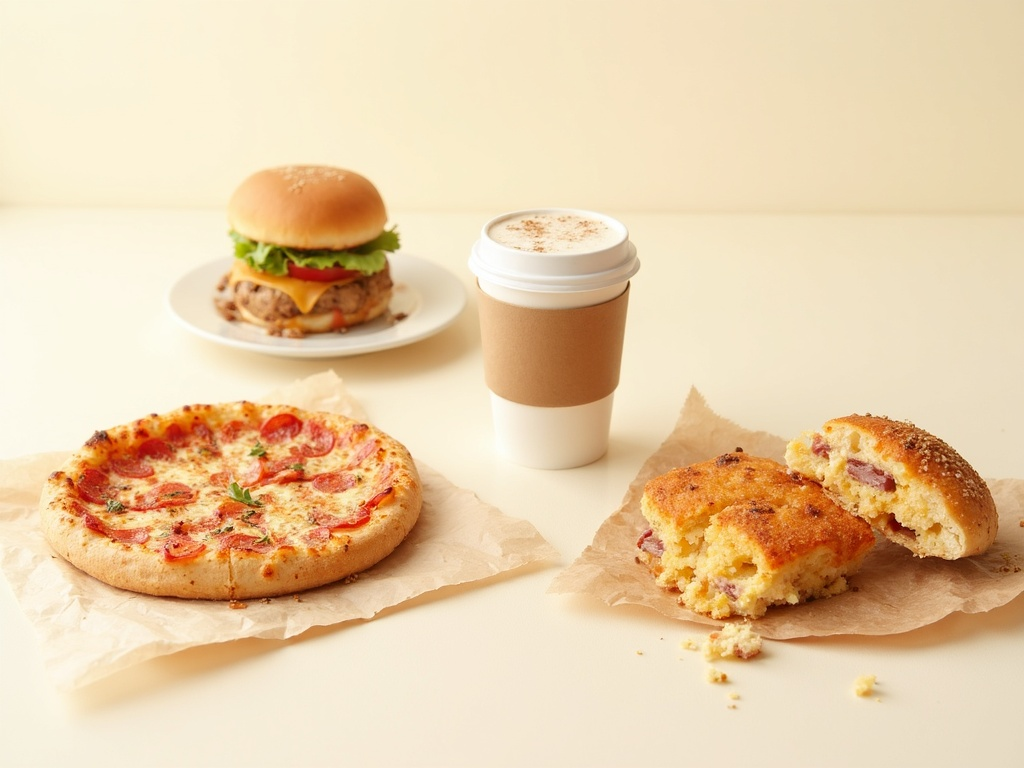
Cuisine-Specific Franchise Models Compared: Pizza, Coffee, Fast Casual, Healthy Eats. If you’re exploring how to buy a franchise, understanding how cuisine type shapes costs, operations, staffing, and scalability can save you time and money—and position you for multi‑unit growth. Below is a practical comparison to help you shortlist concepts and identify low-cost franchise opportunities and potential best franchises for 2026 based on trends, unit economics, and consumer demand.
Why Cuisine Type Matters in Franchising
- It drives equipment needs, labor intensity, and back-of-house complexity
- It determines peak dayparts (morning coffee rush vs. evening pizza orders)
- It affects delivery reliance, real estate footprint, and drive‑thru viability
- It shapes food cost variance (perishability, commodity exposure, menu breadth)
Pizza Franchise Model: Delivery-Forward, High Throughput
- Typical investment: ~$250,000–$1,500,000 (carryout/delivery at lower end; dine‑in and drive‑thru higher)
- Royalties/Ad Fund: 5%–8% royalty; 2%–5% marketing (brand-specific)
- Margins: Often 10%–20% EBITDA post‑ramp for well‑run units; depends on labor, delivery mix, and promos
- Operational notes:
- Strong delivery and carryout; aggregator dependence varies by brand
- Line-level staffing is trainable; consistency via portioning and ovens
- Menu innovation around crusts, sauces, LTOs; upsell sides and beverages
- Real estate: Inline storefronts, endcaps; drive‑thru gaining popularity (order-ahead pickup windows)
- Pros: Wide consumer appeal, late-day demand, scalable processes
- Watchouts: Commodity swings (cheese, wheat), promo wars, delivery fees
Coffee Franchise Model: Morning Peak, Beverage-Led Profits
- Typical investment: ~$250,000–$900,000 for inline/kiosk; $1,000,000–$2,000,000+ for drive‑thru stand-alone
- Royalties/Ad Fund: ~5%–8% royalty; 1%–4% marketing
- Margins: Frequently 15%–25% EBITDA when volumes are strong; beverage COGS favorable
- Operational notes:
- High speed-of-service focus; barista training critical for consistency
- Daypart skew to mornings; afternoon/evening requires seasonal LTOs, snacks
- Drive‑thru dramatically boosts throughput and average weekly sales
- Real estate: Small footprints work; parking and access matter; visibility is key
- Pros: Strong loyalty ecosystems, repeat visits, premium pricing ability
- Watchouts: Labor during rush windows, weather volatility, specialty equipment costs
Fast Casual Franchise Model: Variety, Higher Ticket, More Complexity
- Typical investment: ~$450,000–$1,200,000+ depending on seating, ventilation, and build-out
- Royalties/Ad Fund: ~5%–7% royalty; ~2%–4% marketing
- Margins: Commonly 10%–18% EBITDA; labor and COGS management crucial
- Operational notes:
- Broader menus raise complexity; training and prep planning essential
- Strong in lunch/dinner dayparts; catering can add incremental sales
- Balance between dine-in, takeout, and third-party delivery
- Real estate: 1,500–2,500+ sq. ft.; anchors near office parks, retail corridors, colleges
- Pros: Higher tickets, customizable formats, brand storytelling
- Watchouts: Food waste risk, equipment ventilation, staffing complexity
Healthy Eats Franchise Model: Bowls, Salads, Smoothies, Functional Foods
- Typical investment: ~$200,000–$750,000+ (kiosks and smoothie bars at lower end)
- Royalties/Ad Fund: ~5%–7% royalty; ~1%–3% marketing
- Margins: Often 12%–22% EBITDA; perishability and portion control drive results
- Operational notes:
- Menu simplicity with fresh prep; strong digital and order-ahead adoption
- Appeals to fitness/wellness communities; memberships and subscriptions possible
- LTOs around seasonal produce and functional additives (protein, adaptogens)
- Real estate: Smaller footprints and kiosks viable; co-tenancy with gyms and grocers
- Pros: Trend-aligned demand, premium add-on pricing, fast throughput
- Watchouts: Short shelf life, supply chain seasonality, concept differentiation
Cross-Category Considerations That Impact Profitability
- Labor model: owner-operator vs. semi-absentee; training intensity; rush management
- Delivery and digital: third-party fees, first-party apps, loyalty and CRM
- Equipment stack: ovens, espresso machines, refrigeration, ventilation; maintenance costs
- Ad fund and local store marketing: how brand media converts to local traffic
- Multi-unit path: area development rights, protected territory, ramp timelines
- Compliance: health codes, alcohol service (if applicable), brand standards audits
Typical Fees and Timeline (Varies by Brand)
- Franchise fee: ~$20,000–$50,000 per unit (multi‑unit discounts possible)
- Construction and build-out: 3–9 months depending on permits and supply chain
- Grand opening to breakeven: commonly 6–18 months; traffic build and staffing stabilize results
- Royalties: 5%–8%; Ad fund: 1%–5% of gross sales
How to Buy a Franchise: A Step-by-Step Path
- Define goals and budget: income targets, time involvement, multi-unit ambitions.
- Shortlist cuisine types: match dayparts, labor model, and real estate comfort.
- Research brands: review the Franchise Disclosure Document (FDD), especially Item 7 (costs) and Item 19 (financial performance representations, if provided).
- Validate with franchisees: speak to multiple operators in similar markets.
- Model unit economics: conservative sales, realistic labor/COGS, rent assumptions, and debt service.
- Secure financing: SBA 7(a), conventional, or ROBS (401(k) rollover) if suitable.
- Territory and site selection: demographic fit, co-tenancy, access/visibility, drive‑thru potential.
- Sign LOI and franchise agreement: engage a franchise attorney before signing.
- Training and pre‑opening: build hiring plan, marketing calendar, and grand opening offers.
- Open and optimize: track KPIs weekly (labor %, COGS %, throughput, promo ROI).
Not sure where to start? Work with a consultant. A seasoned advisor like Professional Franchise Brokers can help you compare brands, decode FDDs, and line up financing options. Request a free consultation to reduce risk and speed up your search.
Low-Cost Franchise Opportunities to Consider
- Inline pizza carryout or ghost-kitchen models with smaller footprints
- Coffee kiosks or carts in transit hubs, hospitals, and corporate campuses
- Healthy smoothie/acai concepts with compact back-of-house
- Fast casual prototypes emphasizing limited menus and minimal ventilation
If you’re targeting low-cost franchise opportunities, focus on footprint, equipment needs, and landlord TI (tenant improvement) contributions. A broker such as Professional Franchise Brokers can help identify brands with lighter build-outs and favorable incentives.
What Could Be the Best Franchises for 2026? Criteria to Watch
- Drive‑thru enabled or pickup-first formats with superior speed-of-service
- High digital order mix and strong loyalty/CRM programs
- Operational simplicity (fewer SKUs, streamlined prep) and robust training
- Supply-chain resilience and transparent vendor pricing
- Health-forward options and customizable menus (gluten-free, high-protein, plant-based)
- Reasonable all-in costs with proven multi‑unit support
Rather than chasing hype, use these criteria to identify the best franchises for 2026 in pizza, coffee, fast casual, and healthy eats. A consultant like Professional Franchise Brokers can benchmark contenders side-by-side for you.
Real Estate and Format Fit by Cuisine
- Pizza: endcap or inline with delivery access; potential order-ahead pickup window
- Coffee: drive‑thru is king; second-best is high-traffic inline with parking
- Fast Casual: visibility plus daytime population; seating right-sized to off-premise mix
- Healthy Eats: co‑tenancy with gyms/grocers; kiosks in offices/universities
Technology and Marketing Essentials
- First‑party app and loyalty: boosts frequency and data ownership
- Delivery strategy: negotiate aggregator rates; incentivize first‑party pickup
- Local SEO and reviews: critical for discovery and reputation
- Product photography and LTO calendars: drive trial and repeat
Common Mistakes to Avoid
- Underestimating labor during peak periods
- Overbuilding the footprint and overspending on equipment
- Ignoring visibility, access, and co‑tenancy in site selection
- Failing to validate with multiple franchisees before signing
- Using overly optimistic sales assumptions in pro formas
Financing Options Snapshot
- SBA 7(a) loans for build-out, equipment, and working capital
- ROBS (401(k) rollover) to inject equity without penalties
- Landlord TI allowances and free rent to lower cash outlay
- Multi‑unit development schedules to stage capital deployment
Action Plan: Choose Your Cuisine, Then Your Brand
- Pick the cuisine that best fits your strengths and target dayparts.
- Compare 3–5 brands using FDDs, validation calls, and unit‑economics modeling.
- Engage Professional Franchise Brokers to pressure-test numbers, shortlist territories, and navigate funding.
Final note: All figures above are generalized and vary by brand, market, and execution. Always review the current FDD, consult a franchise attorney, and validate with multiple franchisees. If you want personalized guidance on how to buy a franchise in pizza, coffee, fast casual, or healthy eats, connect with Professional Franchise Brokers for a no‑obligation consultation and curated brand matches.